
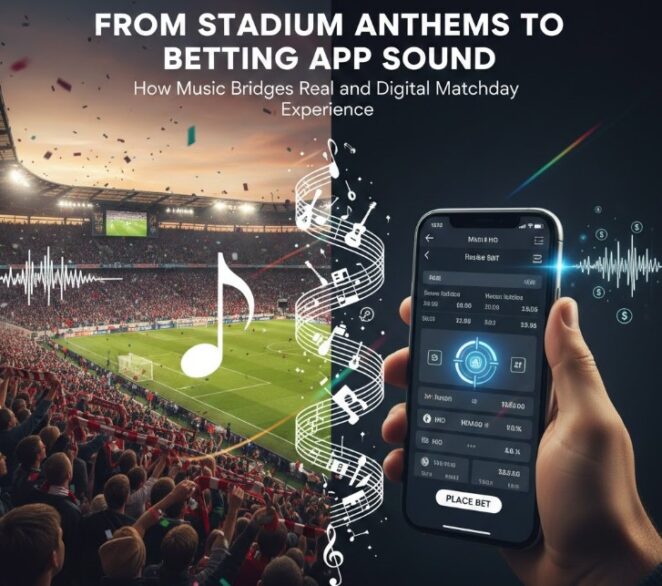
Anyone who’s been inside a stadium knows how much sound sticks with you. Before the ball even moves, there’s already a feeling in the air. The anthem, the chants building in the background, that sudden lift in noise that tells you something is about to happen. None of it is random. Those sounds settle into memory and frame the moment, doing far more than just filling the space. They set expectation, pace, and emotion. As matchday has moved partly onto screens, music and audio cues have followed, quietly reshaping how people experience sport away from the stadium.
Audio cues as matchday glue
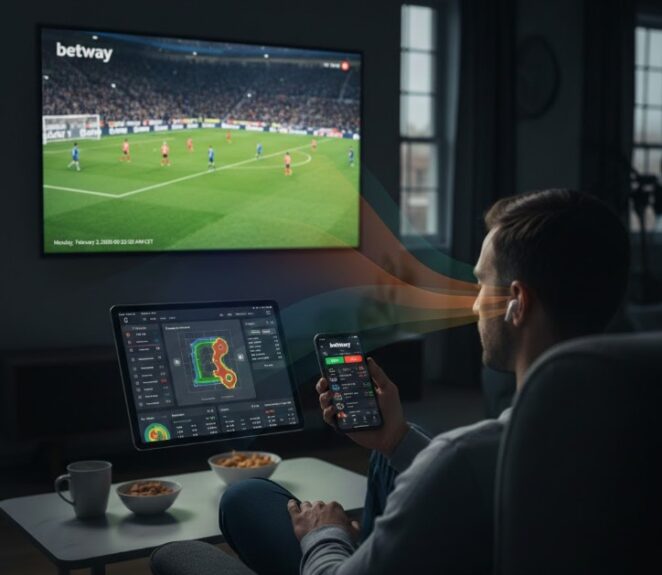
As people drift between watching the match, glancing at stats, and dipping into sports betting platforms, sound quietly ties it all together. A soft confirmation tone, a subtle background layer during slower moments, helps keep attention grounded without stealing focus from what’s happening on the pitch. It supports the experience rather than competing with it, which is exactly the point.
This is especially noticeable mid-session, where users might drift between live coverage and related tools. In those moments, moving through a section that includes sports interaction alongside the bet options via Betway’s platform feels more natural when the audio language stays consistent with the rest of the matchday experience, rather than interrupting it with something unfamiliar or aggressive.
The emotional shorthand of familiar sounds
Music works because it compresses meaning. A few seconds of a familiar anthem can signal importance faster than any graphic or notification. In stadiums, sound tells fans when to focus, when to celebrate, and when to brace for tension. That same logic now carries into digital matchday habits, where audio helps recreate atmosphere without copying it outright.
Rather than replicating crowd noise directly, platforms use tone, timing, and rhythm to mirror how a match unfolds. Subtle sounds confirm actions. Transitions mark changes in state. Silence is used deliberately during tense moments. The goal is not spectacle, but continuity.
Rhythm over volume
Good matchday sound design understands restraint. Stadium anthems work because they arrive at the right time, not because they are loud. Digital platforms apply the same rule. Audio that follows the tempo of the game feels supportive. Audio that ignores it feels intrusive.
During slow build-ups, sound stays minimal. During key moments, it sharpens. This mirrors how fans experience matches in real life, where tension often lives in anticipation rather than constant noise. When sound respects that rhythm, it helps digital experiences feel closer to the real thing.
Familiar structure builds comfort
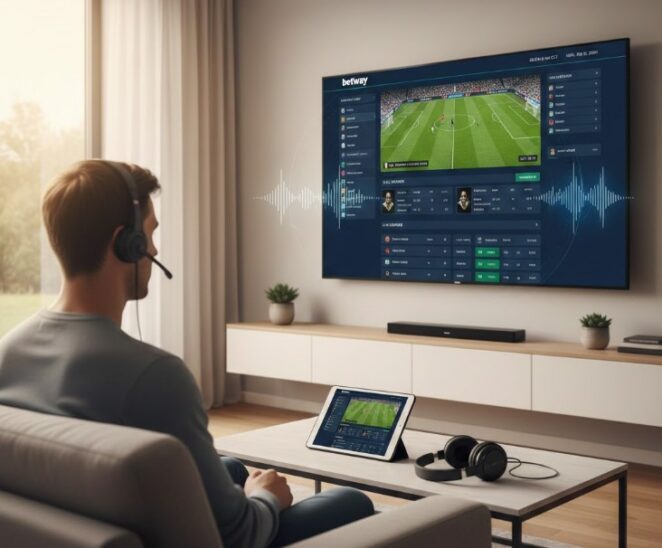
Platforms that get this right often carry the same sound logic across different sections. Across sports sections and live updates, the same audio patterns tend to repeat, which means there’s no need to mentally reset every time you switch views. On platforms like Betway, audio cues usually follow the pace of the match instead of fighting it, so everything stays connected even when attention moves around.
This consistency matters. When sound does what you expect it to do, it quietly builds confidence. There’s no second-guessing and no distractions, just a sense that the platform is moving in time with the game, which makes it easier to stay focused on what’s unfolding.
Music as a quiet companion
The most effective use of music in digital matchday experiences is subtle. It does not try to replace the stadium. It supports memory, timing, and emotion in the background. When done well, users may not consciously notice it at all. They simply feel that everything fits together.
That is how music bridges the gap between real and digital matchday experiences. Not by shouting for attention, but by quietly reinforcing the moments that matter.


