
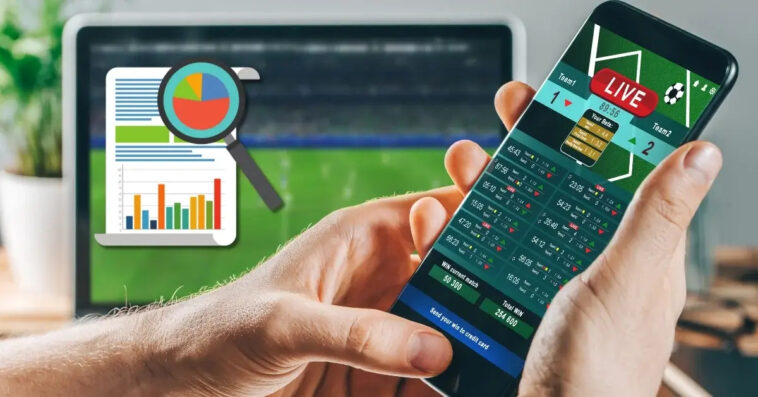
A decade ago, throwing money at a weekend match based purely on a lucky jersey color was just an accepted hazard of being a sports fan.
This article explores how the massive explosion of deep-dive audio analysis killed the blind wager and forced modern bettors to become absolute tactical nerds before ever opening a sportsbook app.
Remember when sports punditry consisted entirely of a few angry men yelling at each other on a cable television broadcast?
They offered absolutely zero real statistical insight, usually blaming a team’s loss on “not wanting it enough.”
Relying on that useless television theater to place a wager was basically financial self-sabotage. Today, that entire model is dead.
The modern punter does not watch standard broadcasting. No, they plug their headphones in and absorb three hours of hyper-specific tactical analysis from independent audio creators.
By the time they log into platforms dedicated to sports betting, they already know the expected goals ratio, the weather patterns and the exact referee bias for a random Tuesday night fixture. It is a wildly different ecosystem where audio education has replaced the casual, uneducated gut instinct.
The Death of the Gut Feeling

There is a strange, romanticized history of the old-school punter walking into a physical bookmaker, looking at a chalkboard and making a decision based purely on a hunch.
That hunch was usually terrible. Modern audio culture absolutely destroyed the romance of the gut feeling.
Today, thousands of independent analysts record daily episodes breaking down microscopic details that the massive television networks routinely ignore.
According to an April 2026 media buying report, audience engagement with sports-specific audio streams jumps massively around major tournaments precisely because listeners are hunting for the granular data television refuses to provide.
They want to know how a specific left-back performs against a low-block defense, not a generic pre-game interview.
Listeners are actively treating these digital broadcasts as raw educational courses, trading mindless entertainment for hardcore statistical edges.
Translating Audio to the Wagering Slip
Listening to a brilliant tactical breakdown is fun, but applying that data is where the actual mechanics of the hobby change.
When a listener spends two hours absorbing advanced analytics, they need a platform capable of actually facilitating those highly specific predictions.
If a podcast host accurately identifies a statistical flaw in a team’s corner-kick defense, a standard win/loss wager does not offer enough value.
This is exactly why digital sports betting hubs have evolved to offer hundreds of microscopic markets for a single match.
They provide the necessary infrastructure (ranging from rapid live odds to customizable accumulators) to execute the hyper-specific knowledge gained from independent audio streams.
If you want to dive deeper into how platforms organize massive data streams without crashing, reviewing how music shapes player experience shows exactly how modern user interfaces adapted to handle this heavy consumer demand.
The platform acts as the direct execution phase for the audio research.
The Prop Bet Explosion
Player proposition bets (props) are the direct beneficiary of this new audio pipeline. A television broadcast only cares about the final score.
A dedicated sports betting audio show, however, will spend forty-five minutes analyzing why a specific backup point guard is mathematically favored to hit three three-pointers in the second quarter.
This intense focus on individual player metrics rewrote how casual fans approach the weekend fixtures.
Modern platforms offer extensive prop builders specifically because the audience now demands the ability to wager on individual passing yards, yellow cards and total fouls.
The audio format allows creators to dive incredibly deep into these niche statistics without worrying about losing a mainstream television audience, directly feeding a hungry listener base that wants to turn those obscure stats into a calculated, highly specific wager on the digital boards.
The Echo Chamber Warning
While being educated is undeniably better than throwing darts at a board, relying entirely on your favorite audio host comes with its own cynical traps.
The internet loves an echo chamber. When a charismatic host presents a seemingly bulletproof statistical model for why an underdog is going to win, it is incredibly easy to adopt their opinion as absolute fact.
The danger here is forgetting that oddsmakers listen to the exact same audio feeds.
The massive corporate syndicates monitor independent sports media to see where the public money is heavily leaning, actively adjusting their lines to trap overly confident listeners.
A smart bettor uses audio commentary as a baseline research tool, n
ot as a blind instruction manual. Following a pundit over a cliff just because they have a great microphone setup is a fantastic way to drain your bankroll.
Execution is Everything
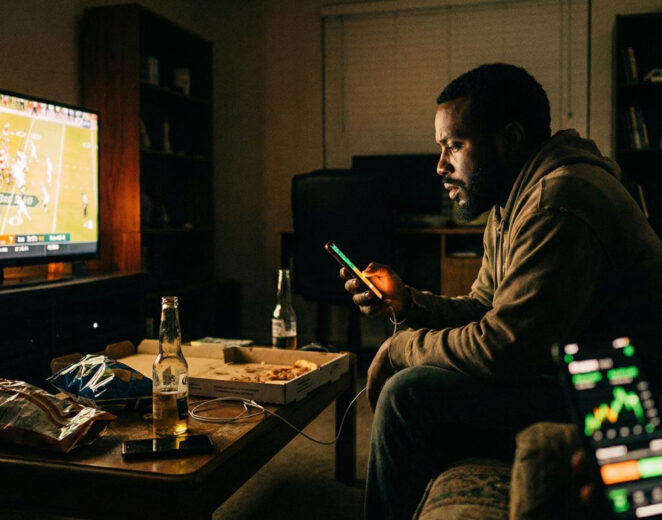
Possessing a massive amount of tactical knowledge is useless if you do not understand how to execute it efficiently.
The transition from listening to a three-hour tactical deep dive to actually navigating the odds requires a healthy dose of skepticism and strict financial management.
Treat the audio feed exactly like what it is: an educational tool. Consume the data, analyze the host’s logic and then step away from the noise to verify the numbers yourself.
The days of making a weekend wager based on a coin flip are thankfully over, but surviving in the modern, heavily data-driven market requires you to be just as cynical as the house.
Let the audio guide your research, utilize the vast markets the platforms provide to target specific statistics, but never let a podcast host place the bet for you.


