
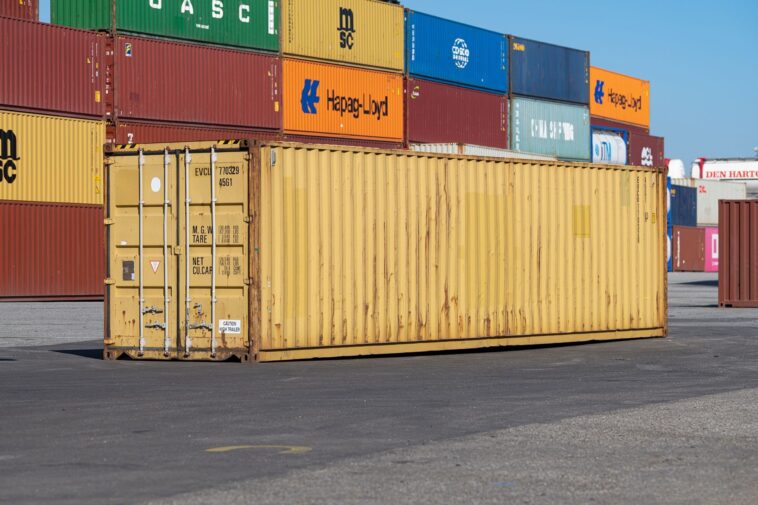
The modern global economy moves in steel boxes. Since their introduction in the mid-20th century, shipping containers have acted as the rigid, standardized skeletons of international trade.
Originally designed for the singular purpose of streamlining cargo transport, these units revolutionized logistics by allowing goods to be moved seamlessly from ship to rail to truck.
However, as the global supply chain evolved, an interesting surplus emerged.
Today, the world is looking at these structures through a new lens, seeing them not just as transport vessels, but as modular building blocks for a sustainable future.
The surge in popularity of container-based architecture is more than a passing architectural fad. It represents a convergence of industrial utility and the modern sustainability movement.
From sleek urban apartments to remote off-grid studios, the “cargo-to-creativity” arc has turned the humble shipping container into a sought-after commodity.
For the entrepreneur, the homeowner, or the DIY enthusiast, finding high-quality shipping containers for sale is the first step in a journey that balances rugged durability with limitless innovative potential.
Understanding the Inventory: Standardized Versatility
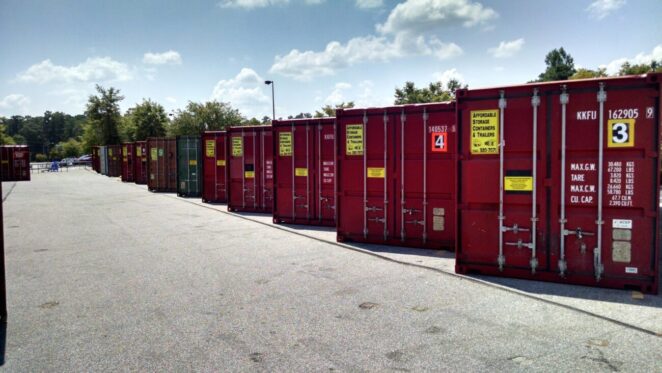
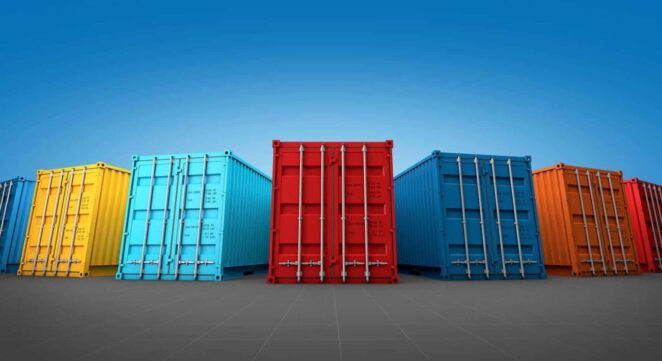
Before entering the market, it is essential to understand that not all containers are created equal. The industry operates on a system of standardized dimensions, but the specific “type” of unit determines its suitability for your project.
Standard Dry Containers: These are the most common units found in the used market. Usually available in 20-foot and 40-foot lengths, they are constructed from Corten steel, a material designed to resist atmospheric corrosion. They are ideal for general storage or as the primary shell for residential conversions.
High Cube Containers: For those looking to build living spaces, “High Cubes” are often the preferred choice. They offer an extra foot of vertical headspace compared to standard units, providing the necessary room for ceiling insulation, lighting fixtures, and HVAC ducting without making the interior feel cramped.
Refrigerated Containers (Reefers): These units come equipped with integrated cooling systems. While more expensive, they are pre-insulated, making them a specialized choice for food storage businesses or unique agricultural projects like indoor hydroponic farms.
Specialized Units: Open-top and flat-rack containers cater to oversized or heavy industrial loads. While less common for residential use, they are invaluable for specific commercial applications where top-loading or side-loading is a requirement.
The Regulatory Landscape: Zoning and Compliance
One of the most frequent mistakes buyers make is purchasing a container before checking their local zoning laws. While a shipping container is a mobile unit, many municipalities classify them as “permanent structures” once they are placed on a foundation or connected to utilities.
Before searching for shipping containers for sale, a trip to the local planning office is mandatory.
You must navigate building codes that dictate everything from structural modifications to minimum square footage requirements.
In some residential zones, containers are outright prohibited, while in others, they must be clad in traditional siding to match the neighborhood aesthetic.
Furthermore, if the container is intended for human habitation, it must meet rigorous safety standards regarding egress, ventilation, and fire resistance.
Understanding these frameworks early prevents the costly headache of a “cease and desist” order midway through a project.
The Digital Marketplace vs. Local Sourcing
In the digital age, the search for a container often begins on platforms like eBay, Craigslist, or specialized auction sites. These marketplaces offer the benefit of vast inventories and competitive, transparent pricing.
Geographical filters allow buyers to locate units near their site, which is a critical factor given that transportation costs can sometimes rival the price of the container itself.
However, the “local” approach offers its own set of advantages. Purchasing directly from a local container yard or a regional supplier allows for a physical inspection.
Photos on a screen can hide structural compromises, such as a bowed roof or “floor rot” caused by chemical spills during the unit’s former life at sea.
Local vendors also have a better pulse on regional delivery logistics, often providing specialized “tilt-bed” or “crane” trucks that can place the unit exactly where it needs to go.
A hybrid approach—using online data to establish a price baseline while conducting final inspections in person—usually yields the best results.
Spotting Quality: The Art of the Inspection
Finding an affordable deal is only a victory if the unit is structurally sound. When inspecting shipping containers for sale, buyers should bring a flashlight and a keen eye for detail.
- Rust and Corrosion: Surface rust is common and easily treated, but “structural” rust—where the steel is thinning or flaking—is a red flag. Pay close attention to the bottom rails and the corner castings, as these are the load-bearing points of the unit.
- Airtight Integrity: Step inside the container and have someone close the doors. If you see pinpricks of light, you have a leak. While these can be patched, they often indicate a larger issue with the roof’s integrity.
- The “Smell Test”: Containers used to transport industrial chemicals or certain food products can retain stubborn odors. If you intend to use the unit as a home or office, ensure the interior is free of noxious fumes.
- Door Function: The heavy doors should swing freely and lock securely. Warped frames or damaged gaskets are difficult and expensive to repair, and a container that doesn’t seal properly is vulnerable to moisture and pests.
Innovative Conversions: From Office Pods to Eco-Cabins
The sheer versatility of a steel box is what drives the market for used units. As remote work becomes a permanent fixture of the professional landscape, many homeowners are turning to containers as “ADUs” (Accessory Dwelling Units). A 20-foot container provides the perfect footprint for a soundproof, detached home office that can be installed in a matter of days.
On a larger scale, modular container cabins have become the darlings of the “tiny house” movement.
Because they are designed to be stacked, architects can create multi-story dwellings that look more like modern art than industrial surplus.
By integrating skylights, large sliding glass doors, and rooftop gardens, the industrial “feel” is replaced by a chic, minimalist aesthetic.
The efficiency of the modular build significantly reduces construction waste, making it a favorite for eco-conscious builders who want to minimize their carbon footprint.
Sustainability and the Circular Economy
Shipping containers are perhaps the ultimate example of upcycling. Every time a used unit is repurposed into a building, it prevents the energy-intensive process of melting the steel down or allowing it to rust in a shipyard.
Innovative designers are taking this a step further by creating “Container Farms.”
These units utilize hydroponic or aquaporic systems to grow fresh produce in urban environments where traditional farming is impossible.
By adding solar panels to the roof, these units become self-sustaining “food pods” that can operate year-round.
This use of technology turns a relic of global trade into a tool for local food security, proving that the future of urban design is not just about what we build, but what we reuse.
DIY Potential: The Enthusiast’s Project
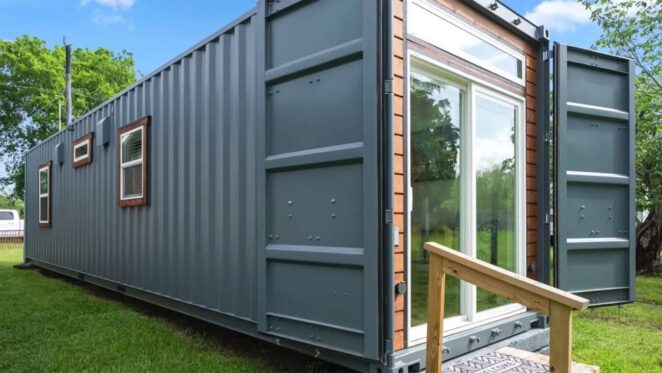
For the hands-on enthusiast, a shipping container is the ultimate blank canvas. With basic welding and carpentry skills, a standard unit can be transformed into a workshop, a garden shed, or even a popup retail storefront.
The DIY route allows for maximum customization on a budget. Using reclaimed materials—such as salvaged windows or pallet wood for interior cladding—upholds the spirit of sustainability while keeping costs low. However, structural integrity must remain the priority.
Cutting large holes for windows or doors can weaken the container’s frame, requiring the addition of steel lintels or reinforcements.
For those willing to put in the “sweat equity,” the result is a bespoke structure that carries a unique industrial charm and a high degree of personal pride.
Long-Term Value: Maintenance and Resale
Ownership of a container requires a commitment to preservation. Steel’s primary enemy is oxidation.
Regular inspections for rust spots, followed by a quick wire-brushing and a coat of high-quality marine-grade paint, can double the unit’s lifespan.
It is also vital to ensure the container is level. If a unit is allowed to settle unevenly into the ground, the frame can twist, causing the doors to jam and compromising the seals.
Maintaining the unit also protects its resale value. As the demand for modular living increases, well-maintained shipping containers for sale are fetching higher prices than ever before.
A unit that has been thoughtfully modified—with insulation, professional wiring, and a clean exterior—acts more like a piece of real estate than a piece of scrap metal.
If you eventually decide to move or upgrade, a staged and well-preserved container can be a liquid asset that attracts a wide range of buyers, from contractors to “glamping” entrepreneurs.
Rethinking the Modern Shell
The evolution of the shipping container from a cargo vessel to a cornerstone of modern architecture is a testament to human ingenuity.
These structures provide a unique combination of strength, mobility, and affordability that traditional construction cannot match.
By understanding the market, adhering to local regulations, and committing to a rigorous maintenance schedule, anyone can unlock the potential of these steel giants.
Finding the right shipping containers for sale is not just about finding a box; it is about finding a foundation.
Whether your goal is a sustainable home, a mobile business, or a secure storage solution, the shipping container offers a modular path to realization.
As we move toward a future where resourcefulness is the new standard of excellence, the ability to see the “palace” within the “pod” will define the next generation of building.
The steel is ready; all that is missing is the vision to transform it.


