
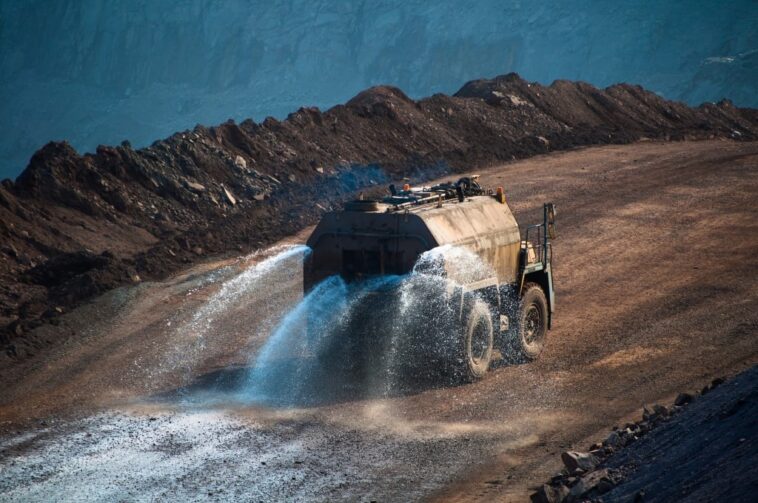
Dust suppression plays a crucial role in improving air quality, protecting workers’ health, and maintaining compliance with environmental regulations.
Whether in construction, mining, waste management, or manufacturing, dust is an unavoidable by-product of operations that can cause serious environmental and safety concerns.
Implementing an effective dust control strategy can help businesses meet sustainability goals, reduce maintenance costs, and ensure safer working conditions.
What Is Dust Suppression?
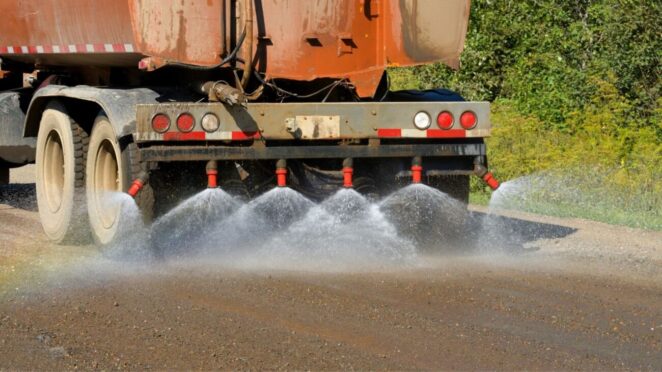
Dust suppression refers to the methods and technologies used to reduce airborne dust particles created by industrial and commercial activities.
These fine particles are often generated by activities such as crushing, loading, or transporting materials like soil, sand, coal, and aggregate.
There are two main approaches to dust control: prevention and suppression. Prevention involves stopping dust before it becomes airborne, often through material handling improvements or enclosures.
Suppression, on the other hand, focuses on capturing dust once it has been released into the air using moisture, chemical agents, or mechanical systems.
Why Dust Control Matters
The importance of dust suppression extends far beyond cleanliness. Dust emissions can affect worker health, damage equipment, and lead to non-compliance with environmental regulations.
- Health Protection – Dust particles, especially those containing silica or other harmful materials, can cause respiratory illnesses such as asthma, bronchitis, or silicosis. Prolonged exposure to dust can have long-term health impacts, making it essential to manage emissions effectively.
- Equipment Longevity – Dust can accumulate on machinery, leading to overheating, corrosion, and premature wear. Keeping dust under control reduces maintenance needs and improves operational efficiency.
- Environmental Compliance – Many industries must comply with air quality standards set by environmental agencies. Failure to control dust emissions can result in fines, operational restrictions, or reputational damage.
- Community Relations – Excessive dust from industrial sites can affect local communities, damaging nearby properties or causing complaints. Proactive dust management helps maintain positive relationships with neighbours and local authorities.
Common Dust Suppression Methods
Different industries use a range of techniques depending on the type of material, working environment, and level of dust generation.
1. Water-Based Systems
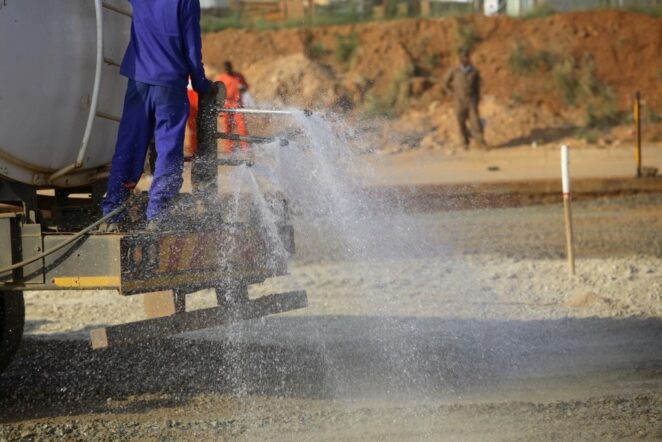
One of the most common approaches involves spraying water to dampen dust particles, making them heavier and preventing them from becoming airborne.
Water can be applied using hoses, sprinklers, misting systems, or mobile units. While simple and effective, excessive water use can cause runoff and environmental waste, so it must be managed carefully.
2. Chemical Suppressants
In some cases, adding surfactants or binding agents to water improves efficiency by increasing surface tension and helping particles stick together. These additives are often used in mining, construction, and unpaved road applications where long-lasting suppression is needed.
3. Foam and Polymer Solutions
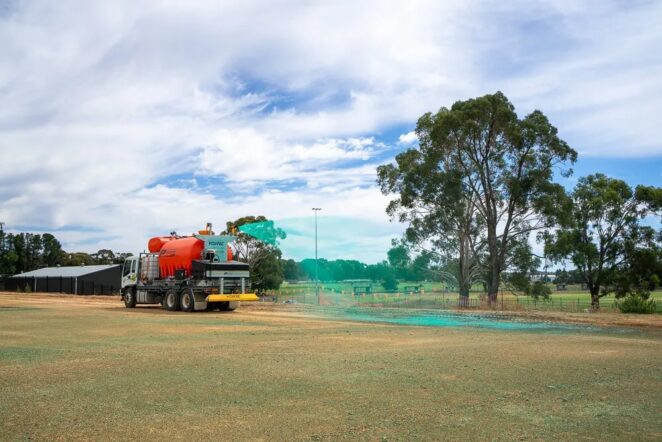
Foam dust suppression is used in environments such as coal handling or tunnelling, where water alone is ineffective. The foam coats dust particles and prevents them from becoming airborne, offering a cleaner and more efficient solution.
4. Mechanical and Enclosure Systems
Mechanical systems like filters, screens, or extraction fans capture dust at the source. Enclosures or barriers can also be installed around conveyors, crushers, or loading zones to contain dust emissions and prevent them from spreading.
The Role of Modern Technology
Recent advancements have made dust suppression systems more intelligent and environmentally friendly.
Automated misting cannons, for example, can be programmed to activate only when dust levels rise, reducing water usage. Data-driven systems can monitor air quality in real time and adjust suppression output to maintain compliance.
Sustainability is also a growing focus. Many companies now use recycled or reclaimed water, and chemical-free solutions are increasingly popular for reducing environmental impact.
Choosing the Right Dust Control Solution

Selecting the right approach depends on several factors including the type of material, site layout, and the intensity of dust production.
For example, open sites like quarries or construction areas may benefit from mobile misting systems, while fixed facilities such as recycling plants or manufacturing sites might require integrated dust control units.
When designing a dust management plan, it’s essential to consider:
- The size and density of dust particles being generated
- The frequency and duration of dust-producing activities
- The site’s proximity to residential or environmentally sensitive areas
- Water availability and drainage considerations
- Compliance with industry and environmental standards
Partnering with a specialist can ensure that systems are tailored to meet specific operational needs and regulatory requirements.
Sustainable Solutions for the Future
With increasing pressure to operate sustainably, many industries are turning to eco-friendly dust control technologies. These solutions not only reduce environmental impact but also cut costs in the long run through water savings and improved energy efficiency.
For organisations looking to invest in reliable and effective solutions, dust suppression systems offer advanced options designed to suit various industrial environments.
Modern systems combine innovation and sustainability, helping businesses protect their workforce, reduce downtime, and maintain compliance with environmental legislation.
Conclusion

Dust suppression is an essential part of modern industrial operations. It protects health, safeguards equipment, ensures compliance, and supports environmental responsibility.
By understanding the different methods and technologies available, businesses can implement effective dust control strategies that balance efficiency with sustainability.
As regulations tighten and expectations rise, investing in proper dust suppression systems will remain a key component of responsible and successful site management.


